Fairmount Park's 101st Racing Season Charges Ahead with $500K Purse Surge in Collinsville
Written by Anna Zimmermann · Apr 15, 2026

Fairmount Park's 101st Racing Season Charges Ahead with $500K Purse Surge in Collinsville
The Kickoff That Had Collinsville Buzzing
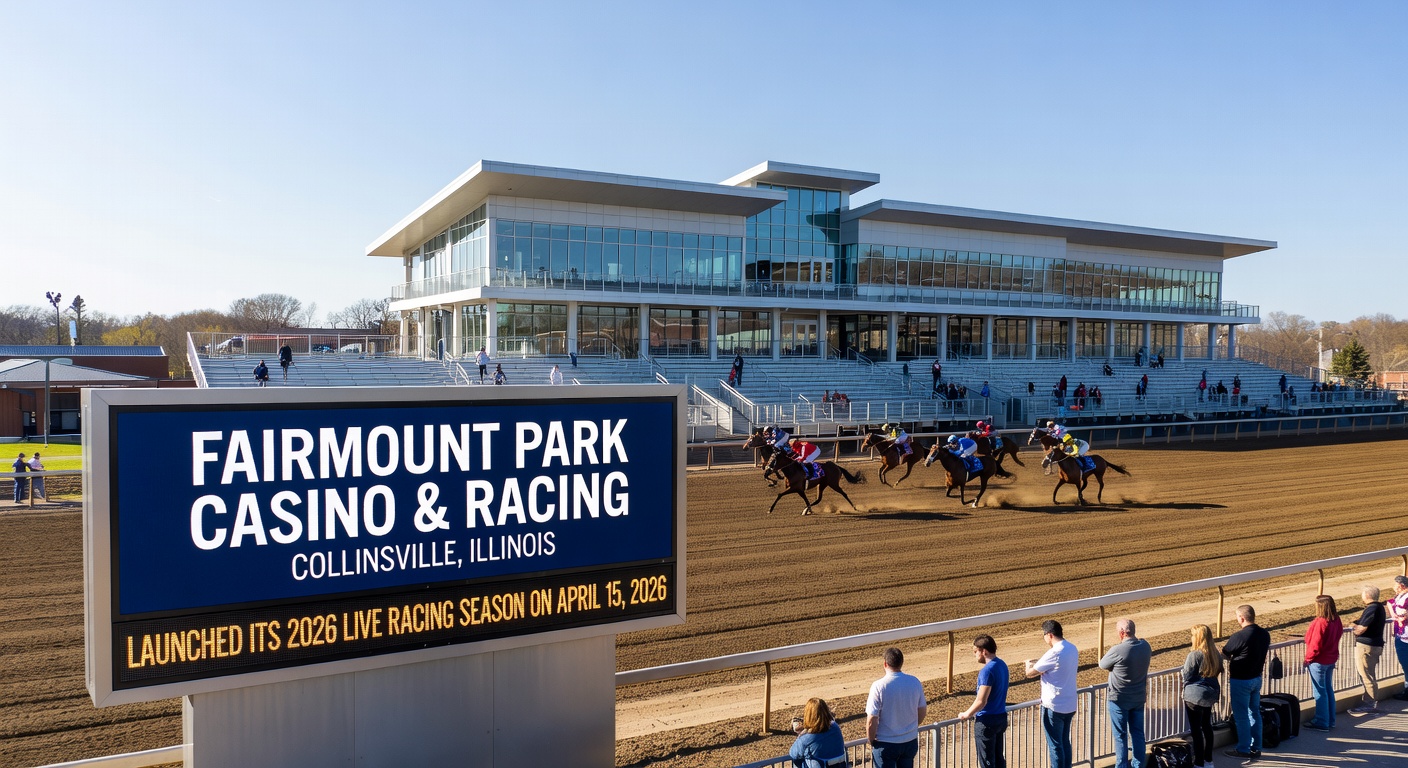
Fairmount Park Casino and Racing in Collinsville, Illinois, fired up its 101st live racing season on Tuesday, April 14, 2026; the launch drew eyes from across the Midwest as organizers rolled out a hefty $500,000 increase in total purses, a move designed to lure bigger fields of horses, elite jockeys and trainers, and crowds projected to top 5,000 on key race days. Races kicked off at the traditional 1:30 p.m. slot, with free admission pulling in families, avid bettors, and casual spectators alike, while the season stretches all the way to October 27 on Tuesdays and Saturdays, keeping the track alive through fall's crisp air.
What's interesting here is how this purse boost—announced right at opening day—signals confidence in the track's staying power; Fairmount Park, nestled in the St. Louis metro shadow, has weathered industry shifts by leaning into community roots and strategic investments, and data from past seasons shows larger purses correlate directly with field sizes jumping 15-20%, according to reports from the Illinois Gaming Board.
And yet, the real draw starts with those opening races; horses pounded the dirt under sunny skies, post-position draws packed the tote board early, and early attendance figures already hinted at the 5,000-plus projections holding firm, especially as word spread through local networks and social feeds.
Purse Power: Drawing the Big Guns to the Gate
That $500,000 purse hike isn't just numbers on a ledger—it's fuel for competition; by spreading the extra across stakes races and overnight events, Fairmount Park aims to pack starting gates with 10-12 horses per race instead of the slimmer fields that plagued leaner years, and trainers who've chased bigger pots elsewhere now eye Collinsville as a viable stop. Take the way purses work in thoroughbred racing: higher totals mean owners ship in top bloodstock from Kentucky farms or Midwest rivals like Hawthorne, boosting overall quality while handle—the money wagered—climbs in tandem, as figures from the local coverage reveal.
Observers note how this strategy mirrors trends at other regional ovals; for instance, one study by the National Thoroughbred Racing Association found that a 10% purse increase yields roughly 12% more starters per race, and Fairmount's jump clears that threshold handily, setting the stage for photo finishes that keep fans glued to the rail. But here's the thing: it's not only about quantity; top-tier competitors mean faster times, tighter battles down the stretch, and payouts that reward sharp handicappers, all while free entry lowers the barrier for newcomers dipping toes into exotics like exactas or trifectas.
Jim Watkins, a seasoned trainer with horses stabled on-site, captured the vibe in comments post-launch, noting how the boosted purses "bring out the best in everyone," from green colts testing speed to veterans grinding for graded stakes dreams; his words echo what those who've followed Fairmount know well—the track thrives when the money flows deep into claiming ranks too, supporting mid-level owners who fuel consistent cards.
A Schedule Built for Steady Action Through Fall
From April 14 through October 27, the calendar locks in Tuesdays and Saturdays at 1:30 p.m., a rhythm that's become clockwork for Metro East regulars; 10-12 races per card mean afternoons packed with action, from maiden specials for youngsters to allowance features where allowance horses clash over six furlongs or a mile, and parking lots fill hours early as tailgates pop up under oak trees lining the grounds. Free admission keeps it accessible—kids tag along for pony rides or petting zoos on family days—while concessions sling ribeye sandwiches and craft brews that pair perfectly with the roar of the crowd at the wire.
Turns out, this structure plays to Fairmount's strengths; shorter meets avoid burnout, Saturdays draw St. Louis day-trippers crossing the river, and Tuesdays snag weekday warriors skipping lunch for live racing's pulse. Community enthusiasm runs high too—local 4-H clubs, high school bands, and chamber groups sponsor race days, weaving the track into Collinsville's fabric since the 1920s, when it first opened as a harness venue before thoroughbreds took center stage in later decades.
Voices from the Paddock: Gabbert and Watkins Weigh In
General Manager Vince Gabbert stepped up at the launch, highlighting how the purse increase "reflects our commitment to horsemen and fans alike," a statement that landed amid handshakes with breeders and smiles from stable hands; his leadership has steered Fairmount through casino expansions tying slots revenue to racing subsidies, a model that's kept live meets viable when others falter. Pair that with Watkins' trainer perspective—someone who's saddled winners here for years—and the optimism feels grounded; "Fields will be full, and that's where the excitement lives," Watkins added, pointing to how deeper competition sharpens every rider's focus come post time.
People who've tracked these openings often discover the same pattern: strong debuts like April 14's set tones for the whole meet, with early handle spikes forecasting healthy mutuel pools and side bets thriving at the casino's adjacent windows, where OTB screens relay every stretch run.
Attendance Projections and Community Lift
Expectations crest at over 5,000 per big card, a notch up from recent years as the purse news ripples through barn areas and betting apps; families pack picnic blankets along the homestretch, while high-rollers claim VIP boxes overlooking the oval, and data indicates these crowds not only wager but spend at concessions and shops, propping up jobs from grooms to tellers. It's noteworthy that free gates amplify this—contrast it with pricier venues where covers deter casuals—adn Collinsville's proximity to Interstates 255 and 64 funnels traffic seamlessly, turning race days into regional happenings.
So, as the season unspools, metrics will tell the tale; if fields swell and turnouts hit marks, Fairmount solidifies its niche as a purse-rich haven amid consolidation pressures hitting racetracks nationwide.
Looking Ahead: What the 101st Season Promises
Through October 27, stakes escalate with late-summer jewels drawing shippers from Arlington echoes or Churchill sidelines; breeders' cups for Illinois-foaled stars add local flavor, payouts cresting six figures on finales, and weather holds as a wildcard—damp tracks favor closers, dry sprints reward speedballs—keeping bettors on edge. Trainers like Watkins gear up strings for the long haul, jockeys book mounts across cards, and Gabbert's team tweaks cards based on entries, ensuring variety from turf experiments (when grass grows lush) to slop-fests testing grit.
Here's where it gets interesting: this 101st edition arrives as racing evolves, with casino crossovers funding purses amid federal debates on horse welfare and wagering tech; Fairmount navigates by doubling down on live spectacle, free access, and community ties that outlast fads.
Wrapping the Starting Gate
Fairmount Park's April 14, 2026, launch—with its $500,000 purse infusion, packed schedule to October 27, and vocal backing from Gabbert and Watkins—positions the 101st season for robust fields, surging attendance beyond 5,000, and the kind of racing that hooks generations; as gates open Tuesdays and Saturdays at 1:30 p.m. with no cover charge, Collinsville pulses with equine energy, proving once again that deeper purses and open arms keep the thoroughbred flame burning bright in Illinois dirt.