Advancements in Payment Gateways Enhancing Mobile Access to Live Dealer Casino Tables
Written by Anna Zimmermann · Jul 13, 2026
Advancements in Payment Gateways Enhancing Mobile Access to Live Dealer Casino Tables
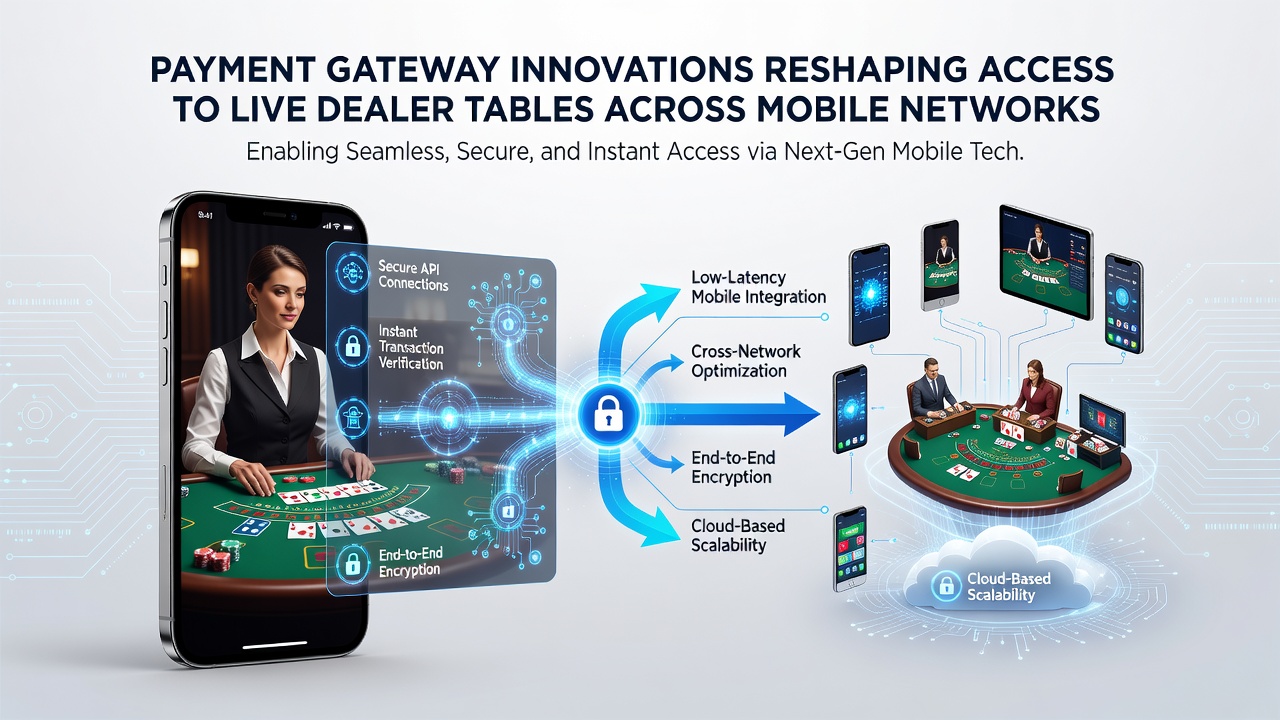
Payment gateways have undergone substantial changes that connect directly to the growth of live dealer tables on mobile devices, and these shifts rely on faster transaction processing along with expanded compatibility across various network types. Observers note that integration with 5G infrastructure allows real-time fund movements during active sessions, while tokenization methods reduce exposure during each transfer. Data from multiple regions shows transaction completion times dropping below three seconds in many cases, and this speed supports continuous play without interruptions at tables featuring roulette, blackjack, or baccarat.
Core Technological Shifts in Gateway Architecture
Developers have incorporated biometric verification layers such as fingerprint and facial recognition that link to mobile operating systems, and these features operate alongside existing password systems to confirm user identity before each deposit or withdrawal. Industry reports indicate that such combined authentication cuts fraud attempts by measurable margins, while maintaining compliance with regional data protection standards. Experts have observed that machine learning models now monitor betting patterns in live environments, flagging unusual activity across mobile connections without delaying gameplay for legitimate users.
Support for multiple payment rails has expanded to include instant bank transfers and digital wallet options that function across borders, and this variety lets participants from different locations join tables hosted on servers in licensed jurisdictions. Figures reveal that gateways handling both traditional currencies and select digital assets have recorded higher session retention rates on mobile platforms, especially where network latency remains low due to recent infrastructure upgrades.
Accessibility Gains Across Mobile Networks
Participants gain entry to live dealer environments through simplified onboarding flows that complete verification in under two minutes on average, and this efficiency stems from partnerships between gateway providers and telecommunications companies. Research from academic sources highlights how reduced minimum deposit thresholds, enabled by lower processing costs, have broadened participation in markets where mobile data plans dominate over fixed broadband. Observers note that push notifications tied to gateway alerts keep users informed of balance updates during extended sessions, preventing abrupt disconnections when funds need replenishment.
Regional examples include expansions in North American and Asian markets where gateways now interface directly with local banking apps, and these connections allow seamless movement of winnings back to personal accounts within the same day. A report issued by the Malta Gaming Authority documented increased mobile transaction volumes in the first half of 2026, with particular growth in live table categories during July when seasonal promotions aligned with network improvements.
Regulatory Alignment and Network Compatibility
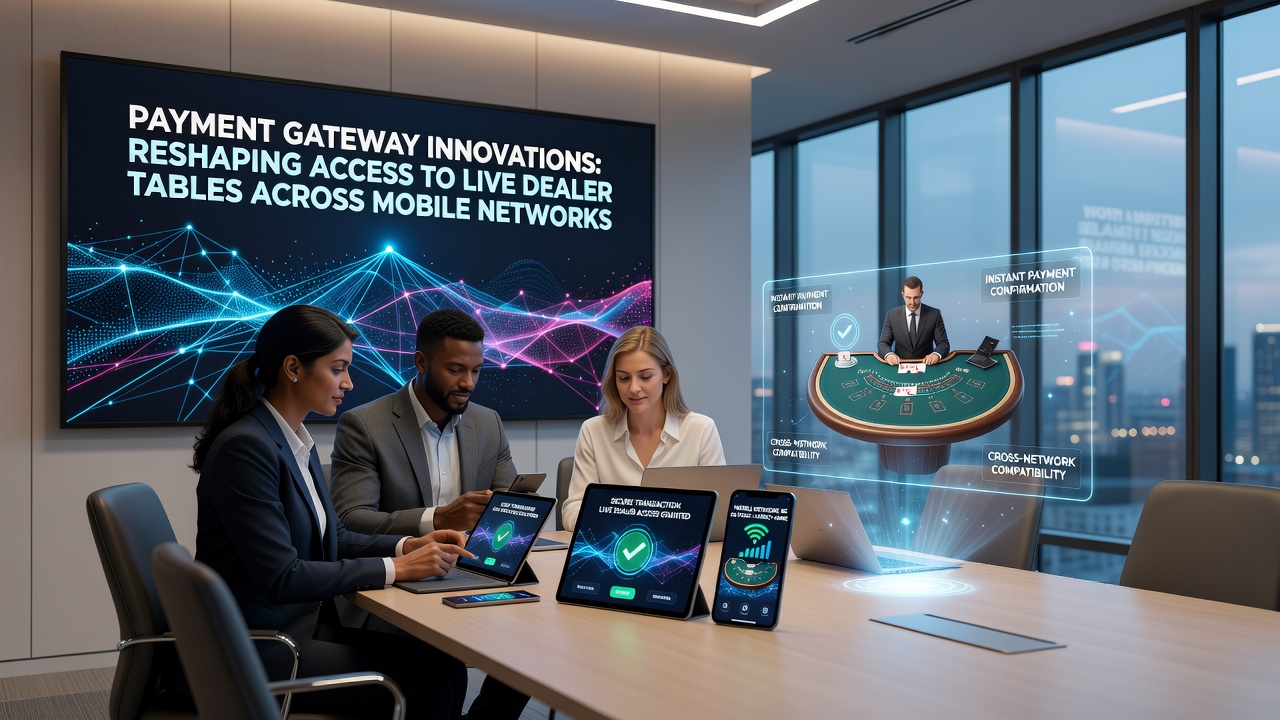
Payment providers have adjusted protocols to meet evolving requirements from bodies such as the Nevada Gaming Control Board and the Australian Communications and Media Authority, and these adjustments ensure that mobile live dealer access remains available within approved frameworks. Data shows that gateways incorporating geolocation checks alongside transaction monitoring have maintained high compliance scores while expanding service to additional carriers. Those who have studied cross-border flows point out that standardized API structures reduce integration time for new mobile operators, allowing faster rollout of live table features.
Network compatibility extends to both urban 5G zones and rural LTE coverage, where fallback mechanisms maintain transaction integrity even during signal fluctuations. Studies conducted by research institutions indicate that participants using optimized gateways experience fewer failed deposits compared to earlier systems, and this reliability supports longer engagement with live dealer formats that demand consistent funding access.
Security Enhancements and User Verification Trends
Encryption standards have advanced to include quantum-resistant algorithms in select gateway deployments, and these additions address potential future threats while current operations continue uninterrupted. Trade group analyses reveal that multi-factor systems combining device binding with behavioral analytics achieve detection rates above 95 percent for suspicious patterns. People who monitor industry developments note that such measures apply equally to high-volume live table bets and smaller mobile sessions, creating uniform protection across scales.
Case examples from European operators demonstrate how gateways integrated with national ID verification services streamline access for returning users, and this process cuts repeat login friction during peak evening hours when live dealer traffic increases. Figures from Canadian provincial regulators further illustrate steady growth in approved mobile transactions through these channels throughout 2026.
Conclusion
Payment gateway developments continue to align with mobile network capabilities, producing measurable improvements in transaction speed, security layers, and cross-region compatibility that directly support live dealer table participation. Data collected through mid-2026 reflects sustained adoption across diverse carrier environments, with verification and processing innovations forming the foundation for ongoing expansion.