Algorithmic Fairness in Digital Table Games: Impacts on Player Retention Across Global Markets
Written by Anna Zimmermann · Jul 27, 2026

Algorithmic Fairness in Digital Table Games: Impacts on Player Retention Across Global Markets
Digital table ecosystems spanning online blackjack, poker rooms, and roulette platforms have expanded rapidly in 2026, with operators deploying algorithmic fairness protocols to govern random number generation, outcome distribution, and session balancing across international markets. These protocols draw from mathematical models that enforce equitable probability distributions while monitoring deviations that might affect long-term engagement patterns, and data from multiple jurisdictions indicate measurable links between such fairness mechanisms and key retention indicators including average session duration plus repeat login frequency.
Defining Algorithmic Fairness Protocols in Table Environments
Algorithmic fairness protocols consist of layered verification systems that audit game engines for bias, calibrate payout structures according to regulatory thresholds, and incorporate adaptive adjustments based on aggregated user behavior streams. In regions such as the European Union and parts of Asia, these systems integrate with compliance frameworks that require periodic third-party audits, whereas North American and Australian operators often align them with internal risk models that track metrics like return-to-player variance over rolling 30-day windows. Researchers at institutions including the University of Nevada, Reno have documented how these protocols reduce detectable patterns in card distribution sequences, which in turn correlates with sustained player activity across multi-table sessions.
Player Retention Metrics and Measurement Frameworks
Retention metrics in global digital table environments encompass churn rates, lifetime value calculations, daily active user ratios, and time-between-sessions intervals, with platforms compiling these figures through centralized analytics suites that feed directly into personalization engines. Figures from the Canadian Gaming Association reveal that table game segments experienced a 12 percent uptick in monthly retention during the first half of 2026, coinciding with wider adoption of fairness calibration tools that flag and mitigate extreme variance streaks. Observers note that operators now cross-reference these retention datasets against fairness logs to identify whether specific protocol tweaks, such as slight rebalancing of deck shuffle algorithms, produce measurable lifts in session completion rates without violating jurisdictional equity standards.
Intersections Emerging in Practice
Studies compiled by the Australian Institute of Family Studies highlight direct overlaps where fairness protocols influence retention through subtle adjustments to game pacing and outcome clustering, and platforms that implemented real-time bias detection reported lower dropout rates among mid-tier bankroll players during July 2026 testing periods. One analysis of European operators showed that when fairness algorithms enforced stricter uniformity in blackjack dealer sequences, players extended average playtime by 18 minutes per session while maintaining consistent deposit patterns. Yet the same datasets indicate that overly rigid fairness constraints sometimes reduced perceived excitement, prompting retention teams to layer in controlled variability features that stay within audited bounds. Those who've examined cross-border data flows point out that regions with unified fairness reporting standards, such as parts of Southeast Asia, demonstrate tighter correlations between protocol updates and retention stability compared to fragmented regulatory landscapes.
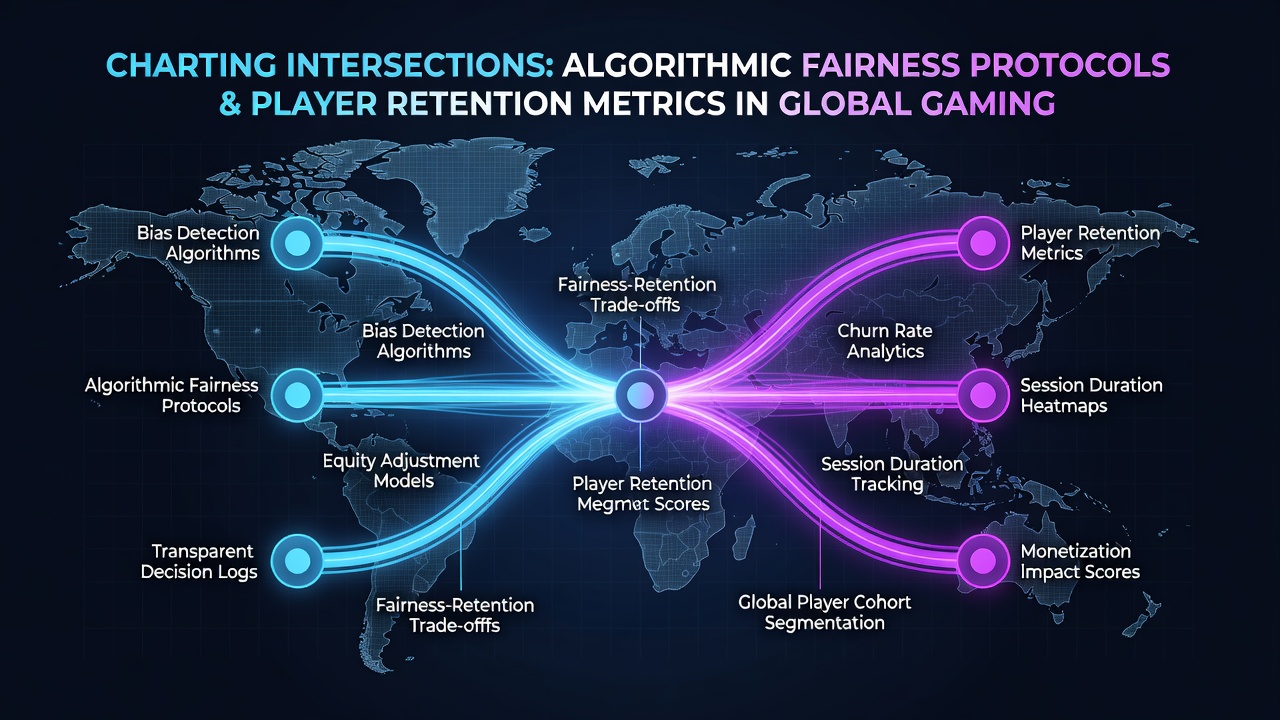
Industry reports from the World Lottery Association further illustrate how retention models now incorporate fairness audit scores as predictive variables, allowing operators to forecast churn risks when protocol deviations exceed defined thresholds. In one documented rollout across multiple Asian platforms during mid-2026, integrating fairness telemetry into retention dashboards enabled proactive session interventions that preserved 7 percent more active accounts over a 90-day cycle. These integrations rely on machine learning layers that weigh equity metrics alongside behavioral signals, creating feedback loops where fairness adjustments directly inform personalized table recommendations and bonus structures.
Regional Variations and Data Patterns
North American markets, guided by frameworks from the Nevada Gaming Control Board, emphasize transparency in algorithmic reporting that ties fairness verification to retention analytics submitted in quarterly filings, while Australian operators under the Australian Communications and Media Authority have begun requiring retention impact statements alongside fairness certifications. Data aggregated from these sources shows that platforms achieving above 98 percent fairness compliance scores sustain higher 30-day retention across table game verticals, particularly in live dealer formats where real-time protocol monitoring prevents outcome clustering that might otherwise accelerate player exits. Academic papers published through the Journal of Gambling Studies have examined these patterns at scale, revealing that fairness protocol maturity often predicts retention resilience during periods of market volatility, such as the regulatory adjustments observed entering July 2026.
Future Trajectories in Combined Modeling
Emerging frameworks combine fairness protocols with retention forecasting through shared data architectures that allow simultaneous optimization of equity parameters and engagement outcomes. Operators in Canada and select EU member states have piloted systems that simulate protocol changes against historical retention cohorts, yielding projections that inform deployment schedules without compromising audit integrity. Those tracking industry conferences note increased discussion around standardized metrics that would let fairness scores serve as direct inputs to retention algorithms, potentially streamlining compliance while supporting sustained player bases across global table ecosystems.
Conclusion
Evidence from regulatory filings, academic analyses, and industry datasets demonstrates clear intersections between algorithmic fairness protocols and player retention metrics in worldwide digital table environments, with 2026 figures underscoring ongoing integration efforts that balance equity requirements against engagement sustainability across diverse jurisdictions.