Data Analytics Fueling Custom Slot Experiences in Regulated Digital Gaming
Written by Morgan Koch · Aug 17, 2026
Data Analytics Fueling Custom Slot Experiences in Regulated Digital Gaming
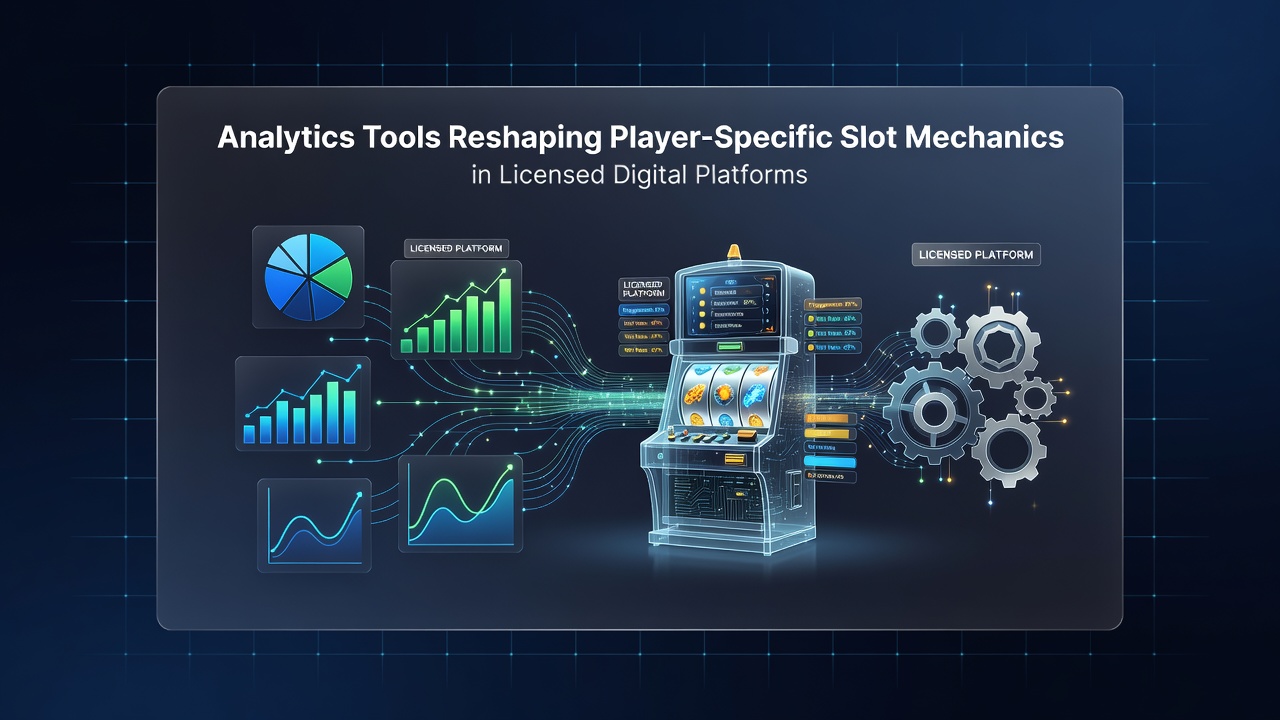
Analytics tools now drive detailed personalization of slot mechanics across licensed digital platforms, where operators use player data to adjust elements like reel configurations, bonus triggers, and payout distributions in real time. Licensed operators collect behavioral metrics including session duration, bet sizing patterns, and feature interaction rates, then feed this information into algorithms that modify game parameters for each user profile. In August 2026, several major platforms reported expanded deployment of these systems following regulatory updates in multiple jurisdictions that clarified data usage boundaries for gaming personalization.
Core Mechanisms Behind Player-Specific Adjustments
Platforms segment users into cohorts based on historical play data, then apply targeted modifications such as increasing hit frequency on low-volatility modes for certain profiles or introducing progressive multipliers that align with observed risk tolerance. These changes occur within strict compliance frameworks that require transparent logging of all alterations, ensuring mechanics remain fair and auditable. Observers note that such segmentation allows operators to maintain overall return-to-player percentages while varying the path players take to reach those averages across individual sessions.
Research from the Australian Gambling Research Centre indicates that licensed operators integrating machine learning models have documented shifts in average session length and feature engagement rates when personalization layers activate. Algorithms evaluate inputs like time of day, device type, and prior win/loss sequences to predict optimal mechanic tweaks, then implement them without disrupting the underlying random number generator certified by gaming authorities.
Regulatory Frameworks Guiding Implementation
Licensed jurisdictions impose strict rules on how analytics may influence game outcomes, requiring operators to submit detailed documentation of personalization logic before deployment. In North American markets, state gaming boards have begun mandating third-party audits of these systems to verify that adjustments do not create unfair advantages or disadvantages for any player group. European regulators have similarly updated guidelines, emphasizing data minimization principles that limit the scope of behavioral tracking used for slot customization.
Operators must balance personalization with consumer protection measures, including opt-out options for players who prefer standard mechanics and regular reporting on aggregate outcomes to oversight bodies. Data from the Nevada Gaming Control Board shows increased scrutiny of analytics-driven features in license renewal applications, with particular focus on how player-specific changes affect overall game integrity across the platform.
Those who've studied platform implementations highlight cases where analytics tools recalibrated bonus round frequencies based on individual engagement history, resulting in more consistent feature appearances for players who historically abandoned sessions during dry spells. Such recalibrations rely on continuous data streams processed through secure cloud environments that meet encryption standards set by licensing authorities.

Technical Integration and Platform Capabilities
Modern analytics suites connect directly to game servers, enabling dynamic updates to paytable weights, symbol distributions, and bonus trigger thresholds on a per-player basis while preserving the certified randomness of core outcomes. Developers incorporate APIs that pull live data from player accounts and push revised parameters back into active games without requiring restarts or client-side downloads. This seamless integration supports the growing demand for tailored experiences on mobile and desktop environments alike.
Industry reports from the International Association of Gaming Advisors document how platforms using these tools have achieved measurable improvements in player retention metrics during periods of regulatory transition, particularly when personalization respects jurisdictional limits on game modification speed and frequency. The systems often incorporate fallback protocols that revert to baseline mechanics if real-time adjustments fall outside approved variance thresholds.
Impact on Licensed Operator Strategies
Licensed operators increasingly view analytics-driven personalization as a core component of compliance and operational efficiency, using the tools to align game offerings with regional player demographics while maintaining uniform standards across all accounts. Platforms track which mechanic variations correlate with sustained engagement in different markets, then refine deployment strategies accordingly without violating cross-border data transfer rules. This approach has allowed operators to expand their libraries of player-specific configurations while securing renewals in competitive licensing environments.
Academic studies from the University of Nevada, Reno have examined how these systems affect long-term play patterns, finding correlations between targeted feature adjustments and changes in average wager amounts across defined user segments. The findings underscore the importance of maintaining transparent audit trails that regulators can review during routine inspections.
Conclusion
Analytics tools continue to reshape slot mechanics in licensed digital platforms by enabling precise, data-informed customization that operates within established regulatory boundaries. As platforms refine these capabilities through 2026 and beyond, the focus remains on verifiable fairness, documented compliance, and measurable engagement outcomes across diverse player bases. The integration of such systems reflects broader trends in regulated gaming where technology supports both operator objectives and oversight requirements without compromising certified game integrity.