Digital Finance Innovations Connecting to Strategies in Virtual Reel and Card Game Environments
Written by Anna Zimmermann · Jul 22, 2026
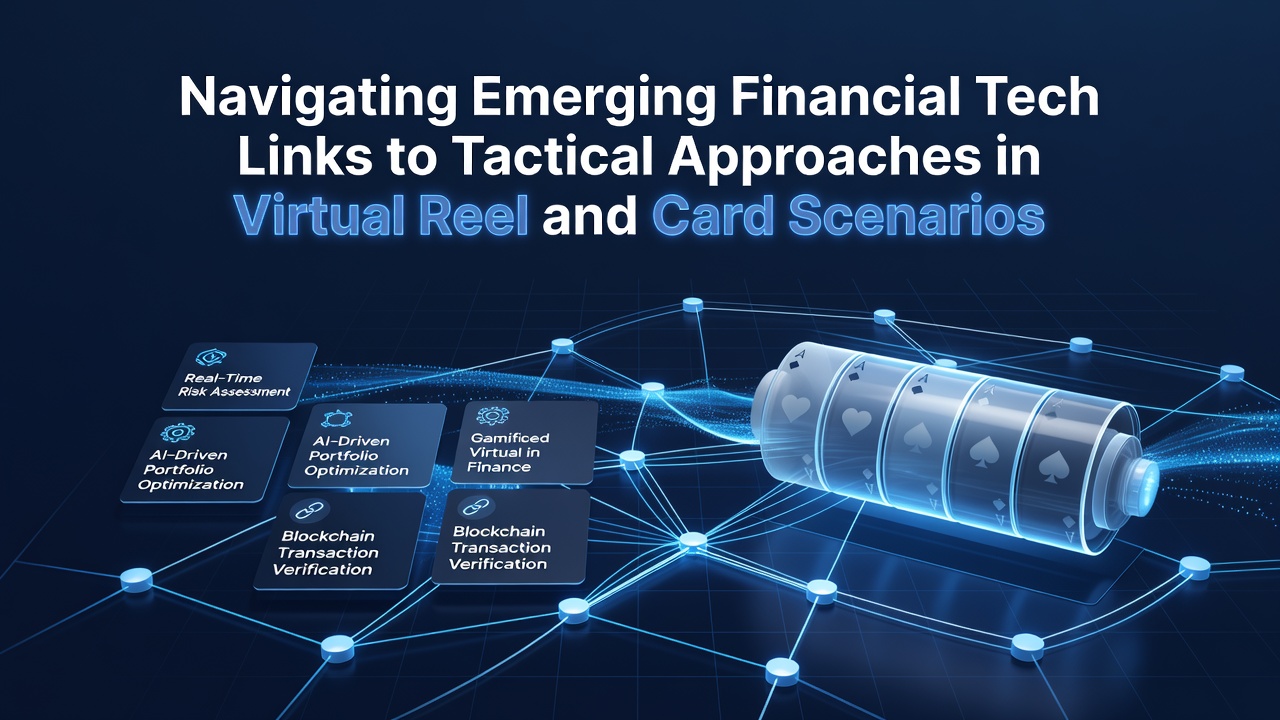
Digital Finance Innovations Connecting to Strategies in Virtual Reel and Card Game Environments
Financial technology continues to intersect with online gaming platforms where virtual reels and card scenarios operate, creating pathways that influence how participants manage transactions and adjust their approaches during play. Payment systems built on blockchain networks and instant transfer applications allow quicker movement of funds, which in turn affects decisions around timing deposits or withdrawals in environments that feature spinning reels or live card dealing.
Payment System Developments and Reel Game Dynamics
Virtual reel games operate with varying volatility levels, and emerging financial tools provide mechanisms that let players align funding patterns with those volatility profiles. Crypto-based transfers, for instance, enable near-instant deposits that match the rapid session starts common in mobile slot environments, while traditional banking rails sometimes introduce delays that alter how bankrolls are allocated across multiple games. Observers note that platforms integrating stablecoin options have seen shifts in how users structure their play sequences, particularly when matching deposit timing to bonus activation windows.
Studies from academic institutions such as the UNLV Center for Gaming Research indicate measurable changes in player funding behavior following the adoption of digital wallet integrations. These changes appear in data sets covering transaction frequency and average session lengths, where shorter intervals between deposits correlate with selections of higher-volatility reel titles. In July 2026, several major platforms rolled out expanded API connections with multiple fintech providers, resulting in documented increases in cross-border transaction volumes without corresponding spikes in reported processing failures.
Card Scenario Adaptations and Transaction Flows
Card-based scenarios, including live dealer tables, introduce different tactical considerations because round durations adn betting structures vary from reel mechanics. Instant funding solutions reduce friction when participants need to replenish stacks mid-session, allowing strategies that involve adjusting bet sizes based on real-time table conditions rather than pre-planned limits. Data from regulatory filings shows that regions with streamlined digital payment approvals, such as those overseen by the Alcohol and Gaming Commission of Ontario, experienced faster uptake of these tools among table game participants compared to areas with stricter banking verification layers.
Those tracking industry patterns report that e-wallet and crypto linkages often appear alongside features like one-click rebuy options at virtual tables. This setup supports approaches where players maintain consistent engagement without exiting to handle external transfers, a pattern confirmed in transaction logs shared by multiple operators. The result is a tighter coupling between financial access speed and in-game decision points, especially during extended sessions that span multiple shoe shuffles or dealer rotations.

Regulatory Context and Technology Integration
Regulatory frameworks across different jurisdictions continue to shape how financial technology integrates with gaming platforms. In several markets, updated guidelines around digital asset handling have prompted operators to refine their payment menus, which indirectly influences the tactical options available to players in both reel and card settings. Figures released by oversight bodies reveal that compliance-driven changes in transaction reporting have coincided with broader adoption of privacy-focused wallet solutions, altering the visible patterns of funding sources used during peak hours.
Platform operators have responded by embedding risk-assessment modules that interface directly with payment gateways, providing users with clearer visibility into available balances before committing to specific bet structures. This integration supports more granular control over exposure levels, particularly useful when switching between low-volatility reel selections and higher-stakes card progressions within the same account session.
Observed Patterns in User Behavior
Analysis of aggregated platform data shows correlations between the availability of certain fintech features and shifts in game-type preferences. Participants utilizing multi-currency wallet options tend to distribute playtime across a wider range of volatility categories, whereas those limited to conventional rails show more concentrated activity in established titles. These patterns hold across both reel-focused and card-focused environments, suggesting that transaction flexibility plays a measurable role in how strategies evolve over time.
Industry reports further document that the introduction of programmable payment triggers, such as automatic top-ups tied to balance thresholds, has appeared alongside changes in average bet sizing during live card sessions. The ability to preconfigure these triggers reduces the cognitive load during active play, allowing focus to remain on table dynamics rather than external account management.
Conclusion
The connections between evolving financial technologies and gameplay tactics in virtual reel and card environments continue to develop through incremental platform updates and regulatory adjustments. Transaction speed, currency flexibility, and integration depth all factor into how participants structure their approaches, with data sets from multiple regions confirming ongoing evolution in these areas as of mid-2026. Future developments will likely build on the same foundational linkages already visible in current operator implementations and user transaction records.