Global Payment Rules Reshaping Digital Wallet Choices for Gamers Worldwide
Written by Theo Griffin · Aug 14, 2026
Global Payment Rules Reshaping Digital Wallet Choices for Gamers Worldwide
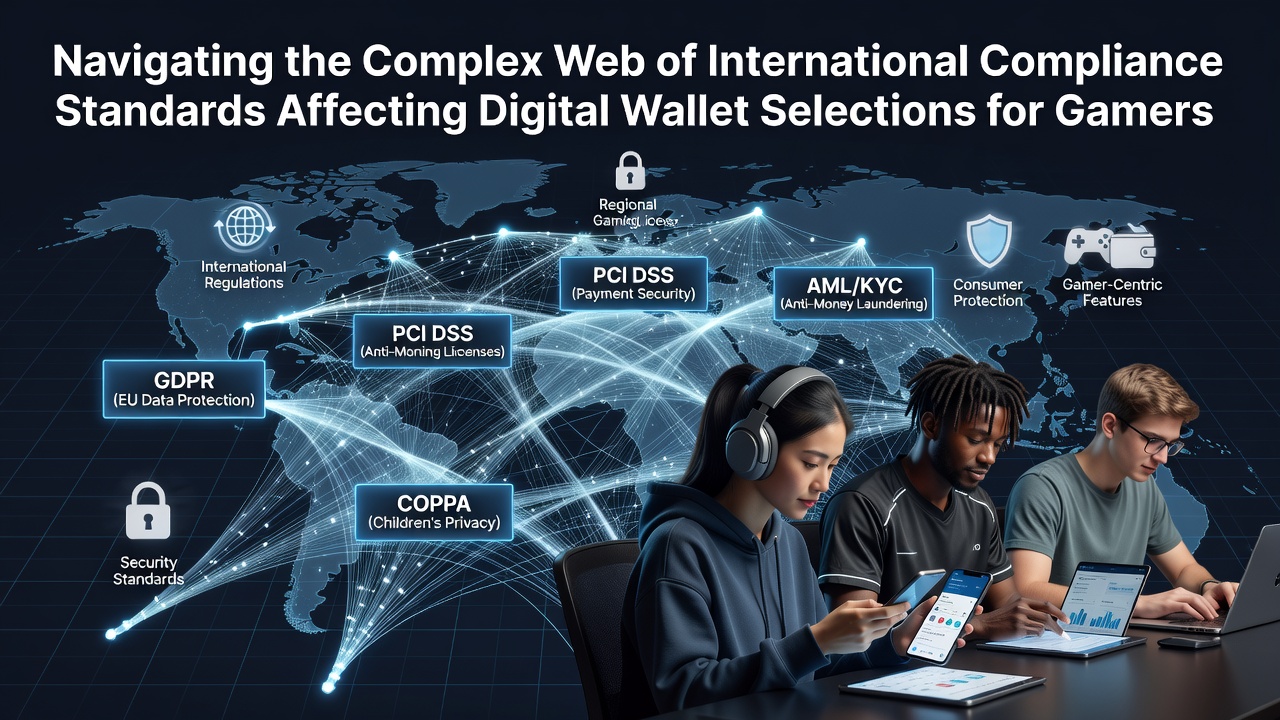
Regulatory frameworks across continents continue to dictate which digital wallets gamers can access for online entertainment platforms, and the landscape shows no signs of simplifying anytime soon. Standards set by organizations such as the Financial Action Task Force establish baseline anti-money laundering expectations that national authorities then adapt into local rules, creating a patchwork that wallet providers and users must navigate with care. Data from payment industry trackers indicate that more than 60 percent of digital wallet transactions in gaming contexts now undergo enhanced screening protocols compared with levels recorded just three years earlier.
Core Compliance Pillars Driving Wallet Eligibility
Know-your-customer requirements form the foundation of most restrictions, forcing wallet services to collect detailed identification before permitting transfers to gaming operators. Researchers at several academic institutions have documented how these verification layers differ sharply between jurisdictions, with some demanding biometric data while others accept basic document uploads. Anti-money laundering directives add further layers, requiring ongoing transaction monitoring that many smaller wallet providers struggle to implement at scale. The result leaves gamers in certain regions with fewer viable options, particularly when cross-border transfers enter the equation.
Regional Differences Emerging in Mid-2026
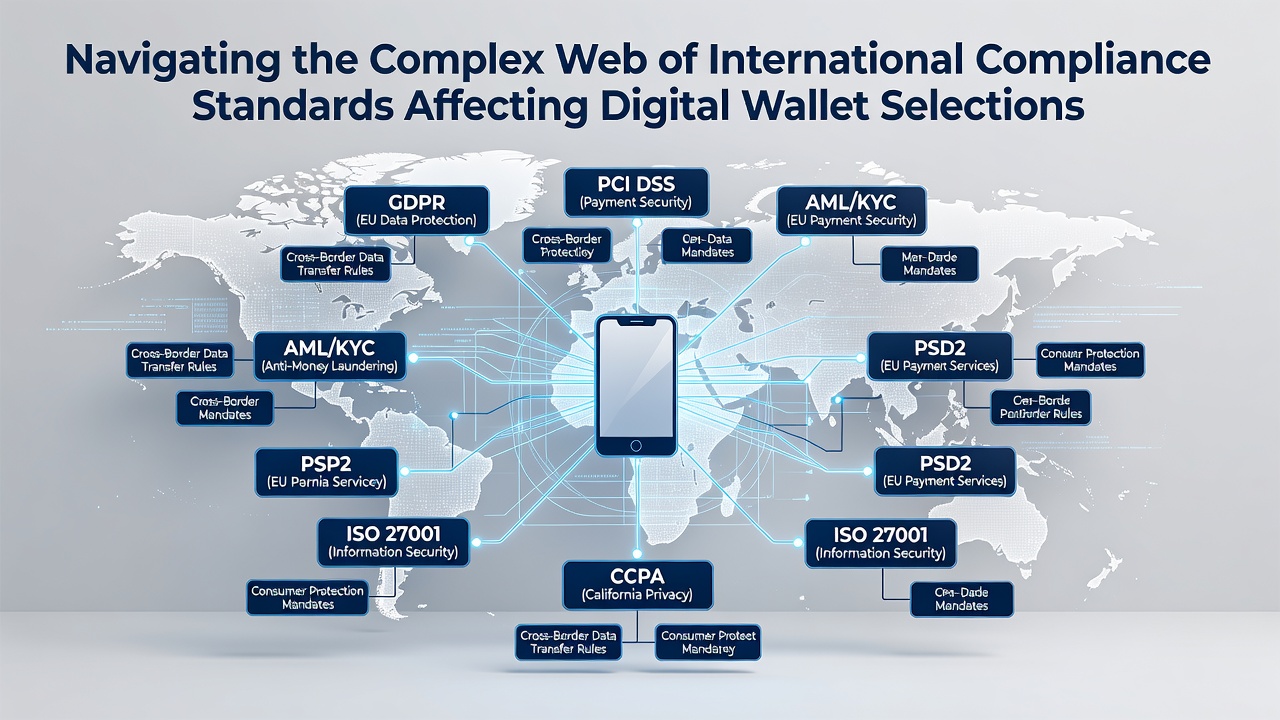
European directives on payment services, updated through successive revisions, impose strict licensing on any wallet handling euro-denominated gaming deposits, and observers note that several popular services paused operations in select markets during the spring transition period. In contrast, frameworks in parts of Asia emphasize real-time reporting to central authorities, which has accelerated adoption of locally domiciled wallet solutions among gamers there. North American regulators maintain a state-by-state approach that creates additional friction for users attempting to link international wallets to domestic gaming accounts, and figures released in August 2026 show compliance-related account freezes rising by nearly 18 percent year over year in multiple provinces.
Wallet selection therefore hinges on compatibility with these layered rules rather than features alone. One study revealed that gamers frequently switch providers after discovering that their preferred service lacks the necessary certifications for their home jurisdiction, leading to increased fragmentation across user bases. Service operators respond by forming partnerships with regionally compliant wallets, yet these arrangements often carry higher fees that ultimately pass to end users.
Technology Adaptations and Provider Responses
Wallet developers have begun embedding automated compliance modules that adjust verification flows based on user location and transaction size, a shift documented in industry reports from multiple trade associations. These tools help satisfy varying thresholds for enhanced due diligence without requiring manual intervention on every transfer. Yet implementation costs remain significant, and smaller providers sometimes exit gaming-adjacent markets rather than invest in ongoing updates. Gamers who track regulatory announcements closely often maintain multiple wallets to preserve access when one service encounters temporary restrictions.
Academic papers examining transaction data across platforms indicate that wallets certified under multiple overlapping standards retain higher retention rates among international users. The pattern holds especially in markets where gamers frequently move between different regulatory zones, such as those participating in cross-border tournaments or seasonal events. Providers that publish clear certification lists on their sites reduce support inquiries, according to data shared by several regional gaming associations.
Future Outlook for Wallet Integration
Upcoming revisions to international standards, slated for discussion in late 2026, may introduce unified reporting templates that could ease some current burdens, though national variations will likely persist. Gamers benefit from reviewing wallet terms against the specific rules governing their primary gaming accounts, since mismatches can result in delayed or blocked transactions. Industry organizations continue to publish guidance documents that outline minimum requirements for different regions, giving users a practical starting point when evaluating options.
Conclusion
The interplay between international compliance mandates and digital wallet availability continues to evolve, with new requirements emerging regularly from both global bodies and national legislatures. Those who monitor updates from authoritative sources such as the Financial Action Task Force and the European Central Bank gain clearer insight into which services will remain accessible. Wallet choices ultimately reflect a balance between convenience and regulatory alignment rather than preference alone, and this dynamic shows every sign of persisting through the remainder of the decade.