Player Data Insights Drive Loyalty Program Adjustments in Crypto Table Game Networks
Written by Mara Schmidt · Aug 7, 2026
Player Data Insights Drive Loyalty Program Adjustments in Crypto Table Game Networks
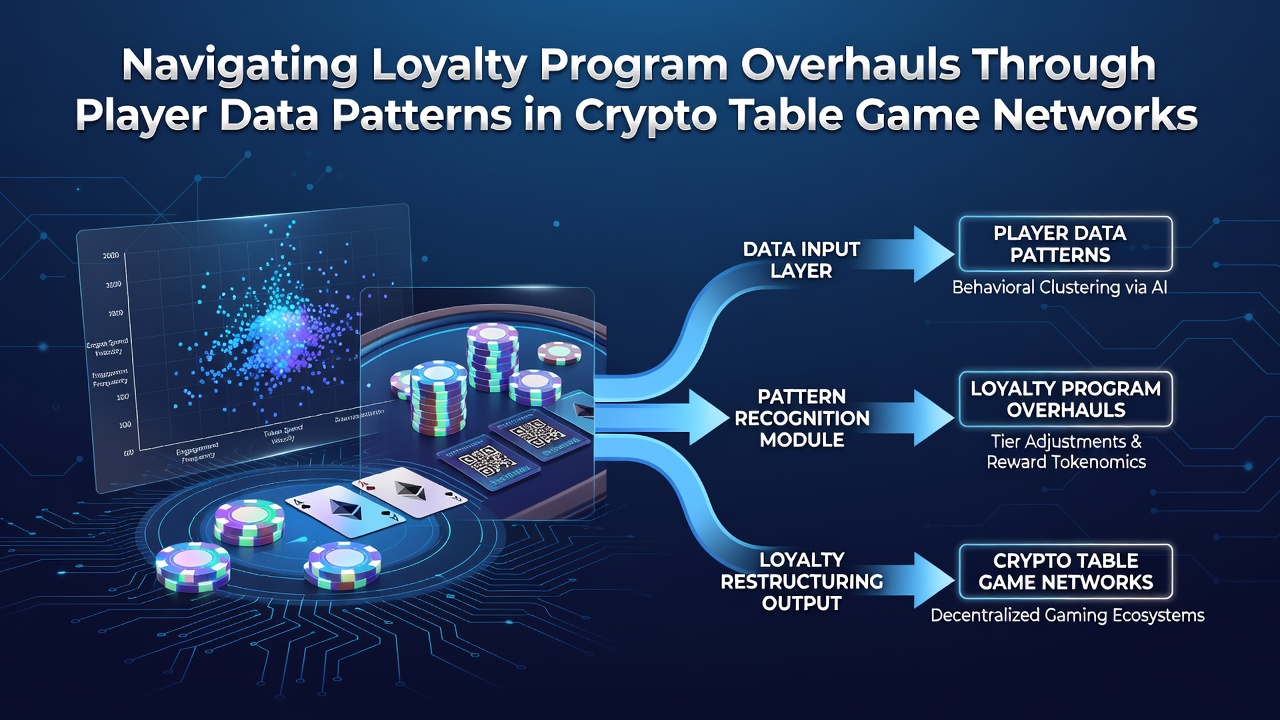
Networks operating crypto table games have begun overhauling loyalty structures by examining detailed player activity logs that track session length, bet sizing sequences, and token transfer frequencies across decentralized platforms. These adjustments rely on aggregated metrics rather than broad demographic assumptions, allowing operators to recalibrate reward tiers in response to observed behavioral clusters that emerged during 2025 data reviews. In August 2026 multiple platforms rolled out revised point accumulation formulas after identifying consistent patterns where high-frequency micro-bettors on crypto blackjack and roulette generated steadier network fees than occasional large-stake participants.
Behavioral Metrics Reshaping Reward Structures
Operators compile time-stamped transaction records from wallet interactions and in-game events to map how participants move between table variants, with data revealing that players who alternate between crypto poker and baccarat sessions maintain longer account activity windows than single-game loyalists. Research from the Nevada Gaming Control Board indicates these rotation patterns correlate with higher overall platform revenue per user, prompting several networks to introduce cross-game bonus multipliers that activate only after a minimum number of distinct table sessions within a 30-day cycle. Such changes replace earlier flat-rate systems that awarded points uniformly regardless of game variety or play rhythm.
Regional Data Influences on Program Design
Analysts at the New Jersey Division of Gaming Enforcement have documented similar trends among mobile crypto table participants, where session clustering around evening hours in specific time zones leads to targeted time-limited loyalty boosts rather than permanent tier upgrades. These localized experiments draw from anonymized datasets that separate recreational patterns from professional-style play, enabling operators to allocate marketing resources toward retention incentives that match documented drop-off points instead of generic welcome offers. One study released by the University of Nevada, Las Vegas International Gaming Institute tracked over 120,000 accounts and found that reward structures tied directly to verified play frequency reduced churn rates by measurable margins compared with legacy systems based solely on deposit volume.
Platforms have also integrated on-chain analytics tools that flag unusual staking sequences, allowing loyalty teams to distinguish between automated scripts and human-driven decision trees before assigning bonus eligibility. This distinction matters because data logs show scripted activity often inflates short-term volume without contributing to sustained community engagement metrics that influence long-term network health.
Implementation Examples Across Networks
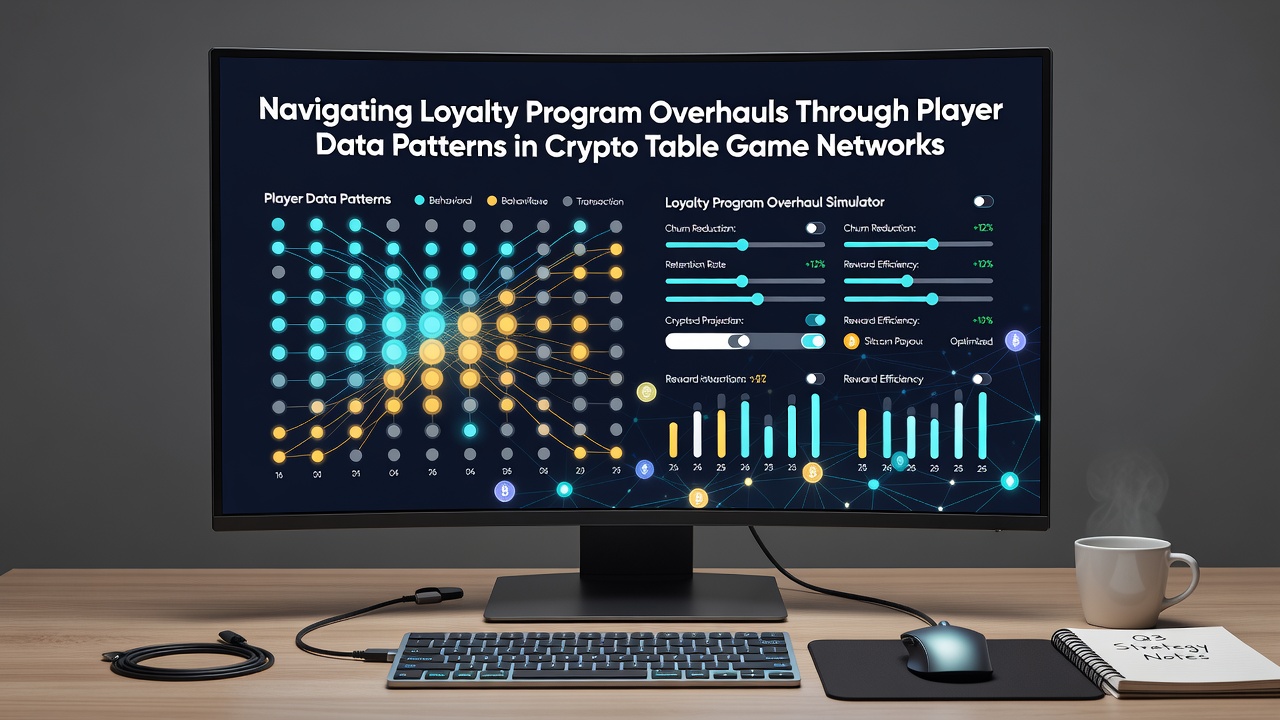
Take one mid-sized crypto table operator that adjusted its VIP ladder after reviewing six months of ledger data showing mid-tier players frequently exited after reaching a static point threshold without corresponding redemption options. The revised program introduced progressive redemption windows that unlock additional crypto credits once players complete a set number of hands across multiple table types, a modification that aligned reward delivery with the documented intervals between active sessions. Observers note that these tweaks emerged directly from heat-map visualizations of player return times rather than from executive preference.
Another case involved a platform serving European and North American users that segmented its user base according to average bet variance recorded during live dealer sessions. Accounts displaying low variance received loyalty perks focused on extended playtime credits, while higher variance accounts gained access to entry into periodic high-stakes tournament overlays funded by network fees. Data from these segments continues to inform quarterly recalibrations that respond to shifting participation rates observed through wallet activity feeds.
Regulatory Context and Reporting Requirements
Compliance teams now cross-reference loyalty program modifications against transaction monitoring standards set by various oversight bodies, ensuring that data-driven reward allocations do not inadvertently create structures that conflict with anti-money laundering thresholds. Reports submitted to the Nevada Gaming Control Board in early 2026 highlighted how granular play-pattern tracking supports more precise audit trails for reward distributions, reducing the administrative burden associated with older aggregate reporting methods. Networks that adopted these granular approaches report smoother regulatory reviews because individual account histories provide clearer justification for tier assignments and bonus issuances.
Conclusion
Continued refinement of loyalty frameworks in crypto table game environments depends on sustained access to reliable player pattern datasets that capture both on-chain movements and in-game decision sequences. As networks process additional quarters of activity through 2026, further adjustments are expected to focus on predictive modeling that anticipates retention risks before they appear in raw retention statistics. These developments remain grounded in measurable activity indicators rather than speculative forecasts, maintaining alignment between operational changes and documented user behaviors across decentralized table platforms.