Regional Banking Regulations Influence Crypto Game Preferences in Digital Platforms
Written by Quinn Friedrich · Aug 5, 2026
Regional Banking Regulations Influence Crypto Game Preferences in Digital Platforms
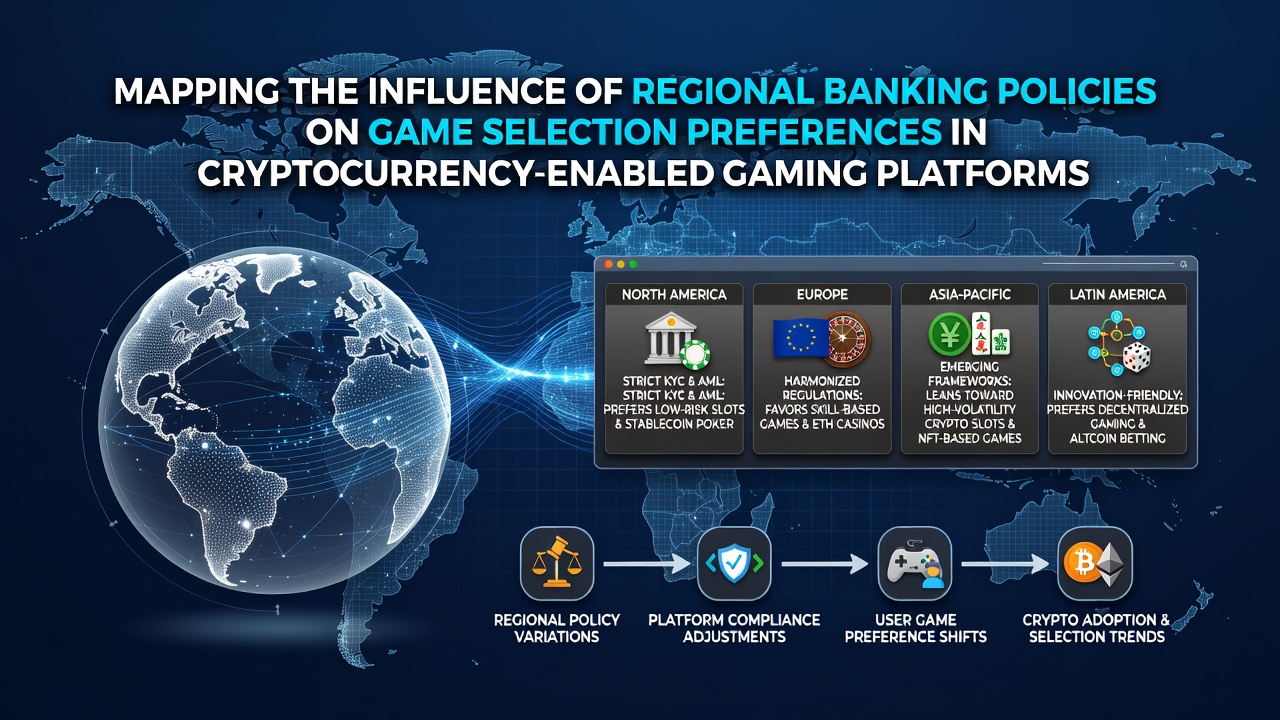
Banking policies vary sharply across regions and they directly steer which games players choose on cryptocurrency-enabled platforms, while data from multiple jurisdictions shows consistent patterns in selection shifts tied to deposit and withdrawal rules. Observers note that stricter oversight on traditional bank transfers often pushes users toward platforms supporting specific coins, whereas looser frameworks allow broader experimentation with table games and slots alike.
Policy Differences Across Key Markets
European Union directives on financial services have prompted several member states to tighten crypto transaction monitoring since early 2025, and this change correlates with increased preference for low-volatility slots among mobile users in those areas. In contrast, certain Australian state regulations permit faster integration of digital wallets, leading players there to favor high-stakes progressive jackpots that accept multiple tokens without additional verification layers. Research indicates these variations emerge because banking rules affect transaction speed and fees, which in turn shape how often participants switch between game types.
North American Developments
Canadian provincial frameworks around virtual asset service providers continue to evolve, and figures from industry trackers reveal a noticeable uptick in crypto table game activity where local banks eased restrictions on stablecoin deposits during the first half of 2026. Meanwhile, some U.S. state-level banking guidelines maintain tighter controls on cross-border transfers, prompting users in those markets to select simpler slot formats that require fewer on-chain confirmations. Data from regulatory filings shows these preferences hold steady even as overall platform traffic grows.
Impact on Game Categories and Player Behavior
Studies from academic research groups highlight how banking policy stringency influences volatility tolerance, with players in heavily regulated zones opting for games that minimize repeated deposits. One analysis of transaction logs across multiple platforms found that regions with mandatory reporting thresholds saw reduced engagement in live dealer formats requiring frequent top-ups, while slots with built-in bonus rounds gained traction instead. Those who've examined wallet data note similar trends where policy updates in August 2026 coincided with measurable spikes in certain crypto pairings for jackpot-style titles.
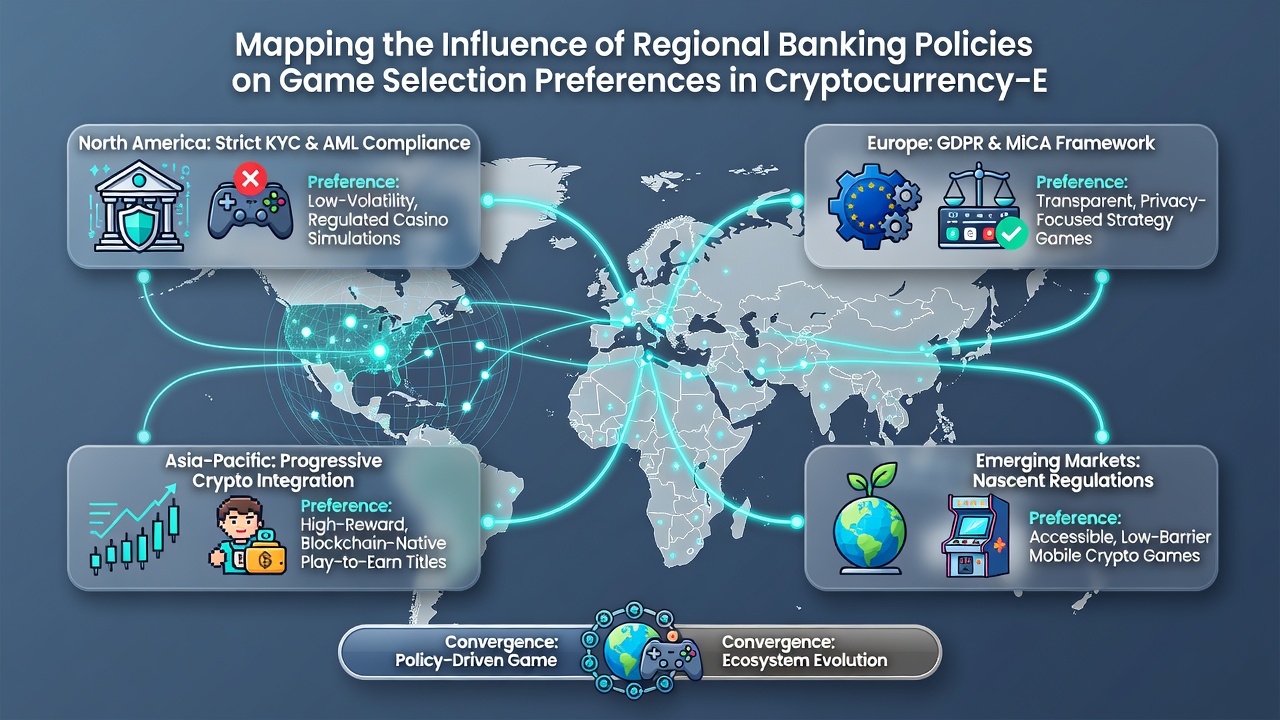
Platform operators respond by adjusting available titles, and evidence from industry reports demonstrates that games compatible with privacy-focused coins rise in popularity where banking scrutiny on mainstream tokens intensifies. This adaptation occurs because users seek seamless access, leading to clear geographic clusters in preference data. What's interesting is the way these clusters align with specific regulatory announcements rather than broader market trends.
Case Examples from Recent Regulatory Shifts
Take one jurisdiction in Asia where updated banking guidelines on digital asset licensing took effect mid-2026; transaction volume metrics there showed a pivot toward skill-influenced table variants over pure chance slots. Another example surfaces in South American markets, where eased central bank rules on crypto inflows coincided with higher participation in multi-coin progressive networks. Observers tracking these movements point to payment friction as the primary driver, with data sets confirming the correlation across thousands of accounts.
Industry associations have compiled comparative tables that map policy types to dominant game categories, and these resources illustrate steady patterns without exception in the sampled regions. Researchers continue to monitor August 2026 updates in several areas to determine whether further refinements will alter the current distribution of selections.
Broader Market Implications
Global platform analytics reveal that banking policy alignment influences not only immediate choices but also long-term retention across crypto gaming environments. Where policies support rapid settlement, diversity in game libraries expands naturally, whereas restrictive environments narrow options to those with minimal transaction overhead. This dynamic plays out consistently according to aggregated reports from multiple oversight bodies and trade organizations.
Academic papers examining longitudinal data sets further support the link between regional finance rules and game volatility preferences, showing measurable differences that persist even after controlling for demographic factors. Those patterns hold across both established and emerging platforms alike.
Conclusion
Regional banking policies continue to map directly onto game selection trends in cryptocurrency-enabled gaming, with evidence accumulating from transaction records, regulatory filings, and cross-market comparisons. These connections remain observable through ongoing data collection efforts by industry groups and research institutions, providing clear indicators of how financial frameworks steer player behavior without requiring subjective interpretation. Future policy adjustments will likely produce additional measurable shifts in the same manner documented thus far.