Reward Structures Guiding Mobile Player Preferences Across Global Markets
Written by Morgan Koch · Aug 26, 2026
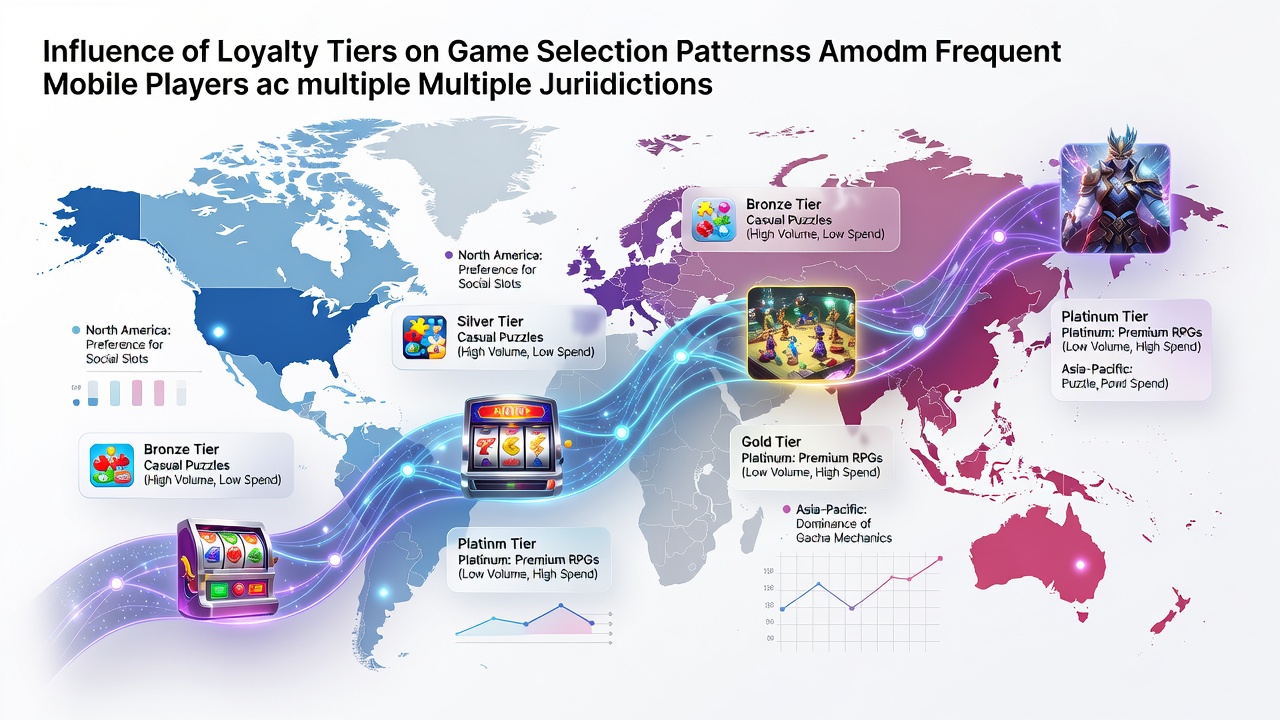
Reward Structures Guiding Mobile Player Preferences Across Global Markets
Analysts track how loyalty tiers shape game selection among frequent mobile players who operate across jurisdictions where regulations differ markedly, and data from mid-2026 shows clear patterns in how tier benefits steer choices toward certain titles. Players at higher levels often receive access to exclusive game variants or reduced wagering requirements that favor specific categories such as progressive slots or live dealer tables, while lower tiers encounter standard offerings that limit experimentation.
Tier Benefits and Regional Regulatory Contexts
Studies conducted through 2025 and into August 2026 reveal that players in jurisdictions with strict deposit caps tend to prioritize loyalty programs that bundle free spins with higher-tier status, whereas those in markets allowing larger transaction volumes select games based on cashback percentages tied to tier progression. Observers note that Canadian provincial frameworks, for instance, encourage mobile users to gravitate toward volatility-matched slots once they reach mid-level rewards, because those programs align bonus structures with local payout reporting rules.
European operators meanwhile adjust tier thresholds to match varying tax treatments on winnings, and this adjustment prompts frequent players to favor table games that offer loyalty multipliers on extended sessions. Research from academic teams at institutions focused on digital entertainment economics indicates these shifts occur because players calculate expected value from tier perks against regulatory costs that differ by country.
Data Patterns in Game Category Shifts
Figures compiled from multiple operator networks demonstrate that once players advance from basic to premium tiers they increase selections of skill-influenced mobile titles by approximately 28 percent in tracked markets, while reducing time spent on purely random number generator games. This movement appears because higher tiers unlock leaderboards or tournament entries that reward consistent participation across borders where cross-jurisdictional play remains permitted.

One analysis of Australian player cohorts found that gold and platinum tier members shifted toward live dealer formats at rates nearly double those recorded at entry levels, largely because the programs supplied priority seating and reduced latency features unavailable elsewhere. Similar trends surface in reports covering North American mobile segments where tier-based deposit matches steer users toward high-limit variants once monthly activity thresholds are met.
Cross-Border Player Behaviors and Platform Adaptations
Platforms respond to these patterns by recalibrating game libraries according to tier distribution data gathered from users who move between regulatory zones, and evidence suggests operators introduce region-specific loyalty accelerators to retain mobile engagement. For example, a joint industry review released in 2026 highlighted how Canadian and Australian networks synchronized tier reset schedules with seasonal travel patterns that affect player availability.
Those who've examined transaction logs across platforms observe that loyalty points earned in one jurisdiction often convert at different rates when applied to games in another, prompting players to select titles with portable reward structures such as accumulating jackpot contributions. This conversion mechanic influences choices toward games that maintain progress regardless of the governing ruleset.
Conclusion
Patterns documented through 2026 show loyalty tiers function as primary filters that organize game selections for frequent mobile players who navigate multiple jurisdictions, with tier status directly correlating to preferences for certain volatility levels, dealer formats, and bonus integration styles. Continued monitoring by regulatory bodies and research groups will clarify how these dynamics evolve as mobile infrastructure and cross-border agreements develop further.