Tracing Connections Between Digital Wallet Growth and Game Choices in Worldwide Online Betting Networks
Written by Morgan Koch · Jun 8, 2026
Tracing Connections Between Digital Wallet Growth and Game Choices in Worldwide Online Betting Networks
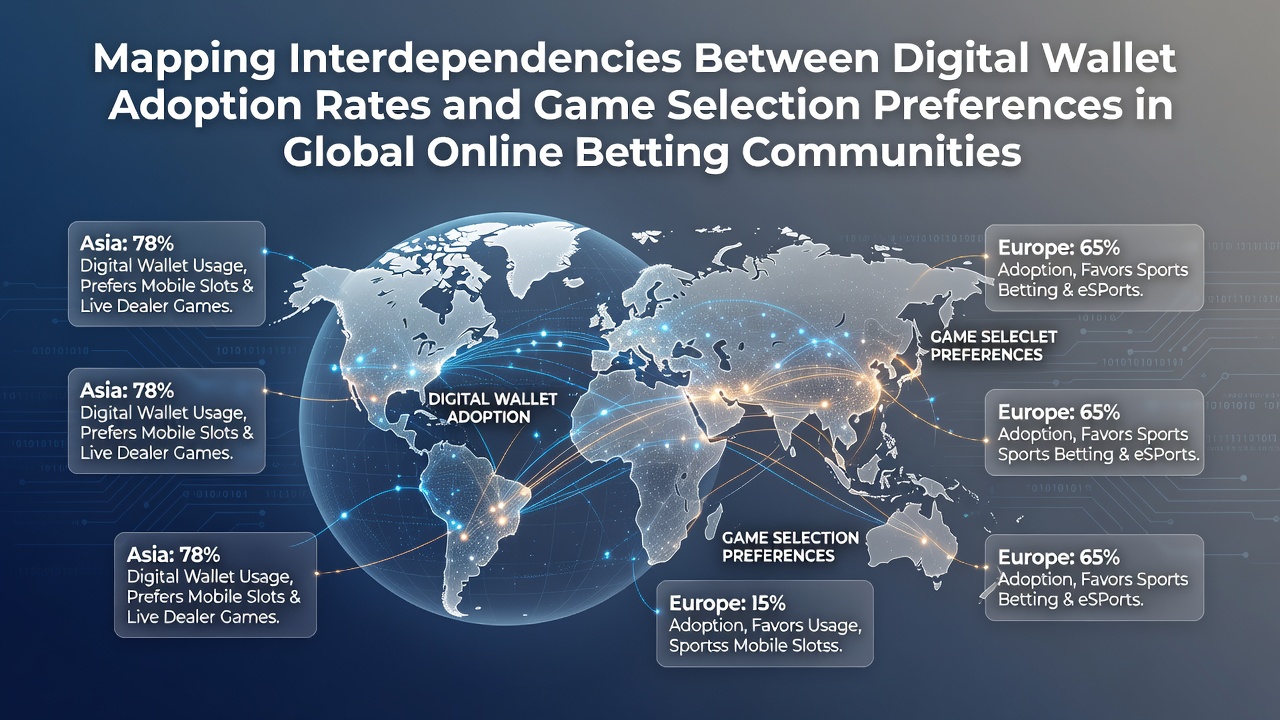
Digital wallet adoption has accelerated across international online betting platforms since the early 2020s, and researchers continue to examine how these payment shifts align with player selections among slots, table games, and live dealer options. Data from multiple markets indicates that faster transaction speeds and lower fees often coincide with increased participation in high-frequency games such as video slots, whereas slower or higher-cost methods tend to appear more frequently among users of strategic table games.
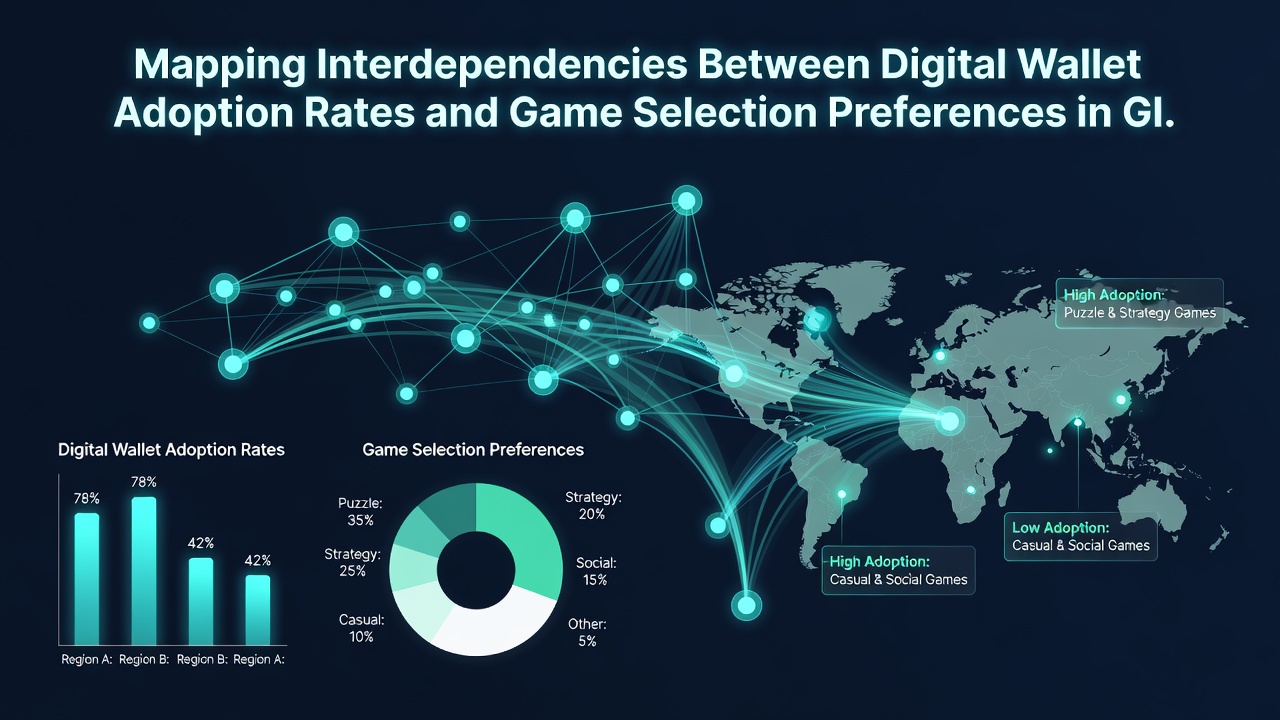
Regional reports compiled through 2025 show wallet penetration rates exceeding 60 percent in parts of Asia and Latin America, while North American and European figures hover between 35 and 50 percent depending on local licensing rules. Observers note that these percentages track closely with mobile device usage patterns, since most wallets operate through smartphone applications that integrate directly with betting apps.
Payment Method Patterns Across Betting Categories
Studies conducted by academic teams in Australia and Canada have mapped transaction logs from major operators and found that e-wallet users complete an average of 12 to 15 sessions per week when engaging with slot titles, compared with 6 to 8 sessions among those relying on bank transfers or prepaid cards. The same datasets reveal that table game participants maintain steadier weekly volumes regardless of payment type, although wallet users still register slightly higher session counts during promotional periods.
June 2026 updates from several licensing jurisdictions highlight new interoperability standards between digital wallets and gaming platforms, which allow instant settlement for both deposits and withdrawals. These changes appear to have widened the gap in activity levels between wallet adopters and traditional payment users, particularly in markets where regulators require real-time verification of funds.
Regional Variations and Platform Data
Platform analytics released by operators licensed in Malta and the Isle of Man demonstrate that European players using wallets gravitate toward progressive jackpot slots at rates 25 percent higher than non-wallet users. In contrast, data collected from regulated Canadian provincial sites indicate stronger wallet correlation with live dealer blackjack and roulette, where players value the ability to adjust stakes rapidly between rounds.
One analysis published by the Australian Gambling Research Centre examined over 2 million anonymized accounts and identified clusters where wallet adoption preceded a measurable shift from low-volatility table games toward medium-volatility slots within a six-month window. The study authors attributed part of this movement to the reduced friction of micro-transactions that wallets facilitate.
Regulatory Influences on Transaction and Selection Trends
Policy adjustments scheduled for implementation in several Asian markets during mid-2026 require operators to disclose wallet processing times alongside game return-to-player percentages. Early compliance filings suggest these transparency measures may further encourage wallet adoption among users who prioritize quick access to winnings for continued play. Meanwhile, North American tribal gaming authorities have begun requiring separate reporting categories for wallet-based versus card-based activity, creating richer datasets for future correlation studies.
Industry associations such as the European Gaming and Betting Association have compiled cross-border comparisons showing that jurisdictions with mature open-banking frameworks experience wallet adoption rates nearly double those in regions still transitioning to digital standards. These same regions also report higher proportions of players selecting multi-game bundles that combine slots with occasional table game sessions.
Future Data Collection and Analytical Approaches
University-led projects scheduled for release in late 2026 aim to integrate behavioral telemetry with wallet metadata across additional markets, including South Africa and Brazil. Preliminary outlines indicate that researchers will track variables such as average bet size, game session duration, and deposit frequency to refine existing models of interdependence. Early pilot results suggest that wallet users who enable recurring transfer features display even more pronounced preferences for rapid-cycle games than those who initiate each transaction manually.
Additional datasets from the National Council on Problem Gambling in the United States have begun segmenting self-exclusion records by primary payment method, offering another lens through which analysts can examine whether wallet convenience correlates with changes in game selection over time. These records remain anonymized and aggregated to protect individual privacy while still providing aggregate trend visibility.
Conclusion
Current evidence establishes measurable alignments between digital wallet adoption rates and shifts in game selection across global online betting communities, with patterns varying by region, regulatory environment, and platform features. Continued data collection through 2026 and beyond will allow researchers to test whether these interdependencies strengthen or evolve as wallet technology and licensing frameworks advance.